Identity Theft Prevention
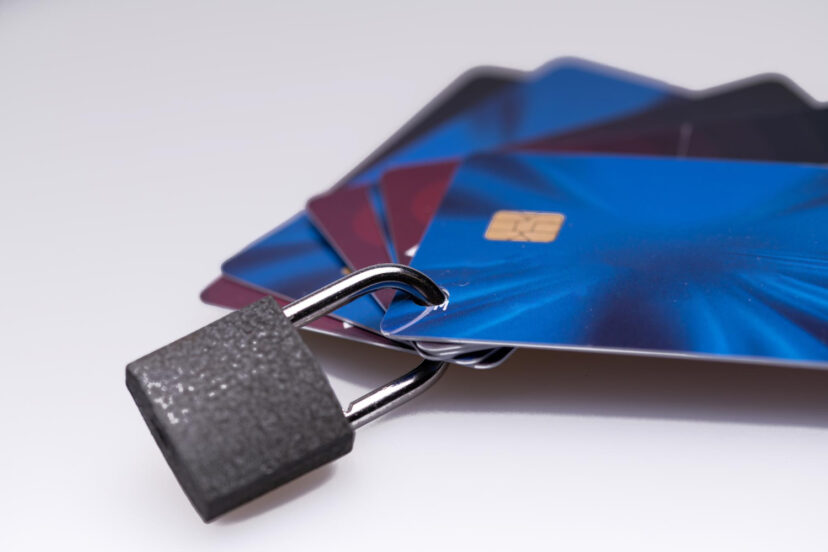
In an era where our lives are increasingly intertwined with digital networks, Identity Theft Prevention has become more than just a buzzword—it’s a critical shield protecting your most valuable asset: your personal identity. Imagine waking up to a financial nightmare where your life has been hijacked by invisible digital predators. This isn’t a plot from a cybercrime thriller; it’s a stark reality for millions of unsuspecting individuals each year.
The Digital Battleground: Understanding Identity Theft
Identity theft isn’t just a random occurrence—it’s a calculated, sophisticated attack that can unravel your life in moments. Modern cybercriminals are master strategists, blending high-tech hacking prowess with cunning social engineering tactics. They’re not just faceless hackers in dark rooms; they’re opportunistic hunters seeking the smallest vulnerability in your digital armor.
How Identity Thieves Hunt Their Prey
These digital predators employ a multi-pronged approach to steal your identity:
- Weak Password Exploitation: They crack simple passwords like a combination lock
- Network Interception: Hijacking data on unsecured public Wi-Fi networks
- Phishing Schemes: Crafting deceptive emails and messages that look legitimate
- Physical Document Harvesting: Digging through trash for personal information
- Dark Web Marketplaces: Purchasing personal data in underground digital bazaars
Your Comprehensive Identity Theft Prevention Strategy
1. Fortress-Level Password Management
Think of your passwords as the complex security system guarding your digital home. Weak passwords are like leaving your front door wide open with a welcome mat for cybercriminals.
Password Creation Commandments:
- Minimum 12 characters long
- Mix uppercase and lowercase letters
- Include numbers and special characters
- Avoid personal information like birthdays
- Never recycle passwords across accounts
Pro Tip: Consider a reputable password manager. These digital vaults generate and store complex passwords, turning your digital defense into an impenetrable fortress.
2. Two-Factor Authentication: Your Digital Bodyguard
Two-factor authentication (2FA) is like having a personal security detail for your online accounts. Even if a cybercriminal cracks your password, they’ll face an additional, nearly impossible barrier.
2FA Implementation Strategy:
- Enable on ALL critical accounts
- Prioritize authentication apps over SMS
- Maintain secure backup verification methods
3. Navigating the Public Wi-Fi Minefield
Public Wi-Fi networks are the digital equivalent of a wild west frontier—convenient but incredibly dangerous. They’re open highways where your personal data can be intercepted with frightening ease.
Wi-Fi Safety Protocols:
- Avoid sensitive transactions on public networks
- Invest in a reliable Virtual Private Network (VPN)
- Disable automatic Wi-Fi connections
- Use mobile data for confidential activities
4. Physical Document Security: The Offline Threat
Identity theft isn’t just a digital phenomenon. Physical documents can be a treasure trove for thieves looking to piece together your personal puzzle.
Secure Disposal Techniques:
- Invest in a cross-cut shredder
- Destroy ALL documents with personal information
- This includes bank statements, credit card offers, medical bills, and tax documents
5. Financial Vigilance: Your Monthly Security Audit
Treat your financial statements like a detective examining critical evidence. Regular monitoring is your early warning system.
Monthly Financial Checkup:
- Review all bank and credit card statements
- Set up transaction alerts
- Consider professional credit monitoring services
- Report any suspicious activity immediately
6. Social Security Number: Handle with Extreme Caution
Your Social Security Number (SSN) is the holy grail for identity thieves. Treat it like a top-secret classified document.
SSN Protection Protocols:
- Memorize your number
- Never carry your physical card
- Only provide SSN when absolutely necessary
- Always question why an organization needs this sensitive information
7. Phishing: Recognizing Digital Wolves in Sheep’s Clothing
Phishing scams have evolved into incredibly sophisticated traps designed to trick you into revealing personal information.
Phishing Red Flags:
- Urgent or threatening language
- Demands for immediate action
- Suspicious email addresses
- Links that don’t match the supposed sender
- Unexpected or suspicious attachments
8. Social Media: Your Personal Information Lockdown
In the age of oversharing, your social media can become an identity thief’s research playground.
Social Media Privacy Strategies:
- Tighten privacy settings
- Avoid sharing sensitive details
- Be skeptical of online quizzes and games requesting personal information
- Think before you post
9. Credit vs. Debit: Choose Your Financial Weapon Wisely
Not all payment cards offer the same level of protection against fraud.
Why Credit Cards Offer Superior Protection:
- Limited liability for fraudulent charges
- Easier dispute processes
- Additional fraud protection from most issuers
- No direct access to your bank account
10. Credit Monitoring and Freezing: Your Financial Emergency Brake
The final layer of identity theft prevention involves proactive credit management.
Credit Protection Tactics:
- Freeze credit with major bureaus
- Regularly check credit reports
- Utilize free credit monitoring services
- Establish fraud alerts
Frequently Asked Questions
Q: What immediate steps should I take if I suspect identity theft?
A: Contact your bank, credit bureaus, and file a police report. Freeze your credit and monitor all accounts vigilantly.
Q: How often should passwords be changed?
A: Aim to change passwords every 3-6 months, especially for critical accounts.
Q: Are password managers truly safe?
A: Reputable password managers use robust encryption and are generally very secure.
Your Identity, Your Fortress
Identity Theft Prevention is not a one-time task but an ongoing commitment. By implementing these strategies, you’re not just protecting data—you’re safeguarding your financial future, personal reputation, and peace of mind.
Stay vigilant, stay informed, and remember: in our interconnected digital world, your identity is your most valuable asset.
Disclaimer: While these strategies significantly reduce your risk, no method provides 100% guaranteed protection.