Credit Card Fraud
In our increasingly connected world, credit card fraud has become a nightmare that can strike anyone, anywhere, at any time. This comprehensive guide will walk you through everything you need to know about protecting yourself from the ever-evolving threats of financial cybercrime.
Understanding Credit Card Fraud: The Modern Digital Menace
Credit card fraud is more than just a buzzword—it’s a real and present danger that can turn your financial life upside down in an instant. Imagine waking up to find your bank account drained, unauthorized purchases scattered across your statement, and your financial reputation hanging in the balance. This isn’t a far-fetched scenario, but a daily reality for thousands of unsuspecting victims.
What Exactly is Credit Card Fraud?
At its core, credit card fraud occurs when someone illegally obtains and uses your credit card information to make unauthorized transactions. With the explosive growth of digital payments, fraudsters have become increasingly sophisticated, developing intricate methods to steal your financial data.
The Shocking Ways Scammers Steal Your Card Information
1. Phishing: The Digital Bait and Switch
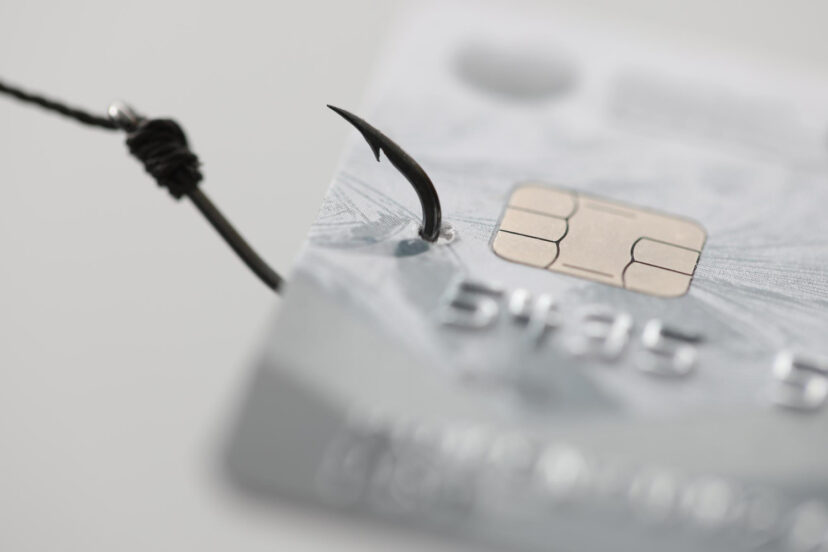
Phishing is the digital equivalent of a cunning fishing expedition. Fraudsters craft incredibly realistic emails and messages that appear to come from legitimate banks, credit card companies, or trusted retailers. Their goal? To trick you into revealing your most sensitive financial information.
Imagine receiving an email that looks exactly like it’s from your bank, complete with logos and official-looking language. It might claim there’s an urgent issue with your account or offer an enticing “security update” that requires you to click a link and enter your details. Before you know it, your financial information is in the hands of criminals.
2. Skimming: The Physical Theft Technique
Skimming is a more hands-on approach to credit card fraud. Criminals attach small, almost invisible devices to ATMs, gas station pumps, or point-of-sale (POS) machines. When you swipe your card, these devices capture and store your card’s information without your knowledge.
3. Data Breaches: The Large-Scale Digital Heist
In our interconnected digital ecosystem, even massive corporations aren’t immune. Large-scale data breaches can expose millions of credit card details stored by online retailers and financial institutions. A single breach can compromise the financial information of entire populations.
4. Card Not Present (CNP) Fraud: The Online Nightmare
With the rise of e-commerce, Card Not Present fraud has become increasingly prevalent. Criminals can use stolen card details to make online purchases without ever physically possessing your card. All they need are your card numbers, expiration date, and CVV code.
Your Ultimate Defense Strategy: Preventing Credit Card Fraud
Protecting Your Physical Card
Keep Your Card Under Lock and Key
- Always store your credit card in a secure, designated location
- Never leave your card unattended in public spaces
- Consider using a minimalist wallet with RFID blocking technology
Treat Your Card Details Like Top-Secret Information
- Never share your card number, CVV, or PIN with anyone
- Be suspicious of anyone asking for your details, even if they claim to be from your bank
- When in doubt, hang up and call your bank’s official number
Fortifying Your Online Transactions
Website Security is Non-Negotiable
- Always verify website security before entering card details
- Look for “https://” in the URL
- Check for the padlock icon in the address bar
- Avoid entering financial information on public or unsecured networks
Leverage Advanced Security Features
- Enable Two-Factor Authentication (2FA) wherever possible
- Use virtual credit cards for online transactions
- These generate unique, one-time-use numbers that protect your primary card
Continuous Monitoring: Your Financial Watchdog
Set Up Real-Time Alerts
- Configure instant transaction notifications
- Enable email or text alerts for every transaction
- Catch unauthorized charges the moment they happen
Regular Statement Reviews
- Inspect your monthly statements meticulously
- Look for any suspicious or unfamiliar transactions
- Report discrepancies immediately to your bank
Advanced Security Measures
Password Protection
- Create complex, unique passwords for each financial account
- Use a reputable password manager
- Incorporate a mix of uppercase and lowercase letters, numbers, and symbols
- Avoid predictable combinations like “123456” or “password”
Network Security
- Avoid conducting financial transactions on public Wi-Fi
- Use a Virtual Private Network (VPN) when accessing sensitive information
- Consider using mobile data for critical financial tasks
Communication Vigilance
Identifying Potential Scams
- Be skeptical of unsolicited calls claiming to be from your bank
- Never provide personal information over an unsolicited phone call
- Always hang up and call the official bank number from your card or statement
Email and Link Safety
- Treat unexpected emails with extreme caution
- Never click on links in emails asking for financial information
- When in doubt, go directly to the official website by typing the URL
Mobile and App Security
Wallet and Payment App Best Practices
- Enable biometric authentication (fingerprint, facial recognition)
- Use trusted payment platforms like PayPal, Apple Pay, or Google Pay
- Keep your mobile payment apps updated
If the Worst Happens: Responding to Credit Card Fraud
Immediate Action Steps
- Contact your bank immediately upon discovering suspicious activity
- Request to freeze or cancel your current card
- Report the fraud to authorities (FTC in the U.S.)
- Monitor your credit report for unauthorized accounts
- Change all passwords and security questions
Frequently Asked Questions
Q: How can I tell if a website is safe for credit card transactions?
A: Look for “https://” in the URL, a padlock icon, and research the website’s reputation.
Q: Are virtual credit cards really safer?
A: Yes, they generate temporary numbers, significantly reducing fraud risk.
Q: How often should I check my credit card statements?
A: Monthly at minimum, but real-time alerts are recommended for instant monitoring.
Final Thoughts: Stay Informed, Stay Protected
Credit card fraud is an evolving threat, but you’re not powerless. By staying informed, implementing robust security measures, and maintaining vigilance, you can significantly reduce your risk.
Remember, in the world of financial security, knowledge truly is power. Stay alert, stay safe, and protect your financial future.